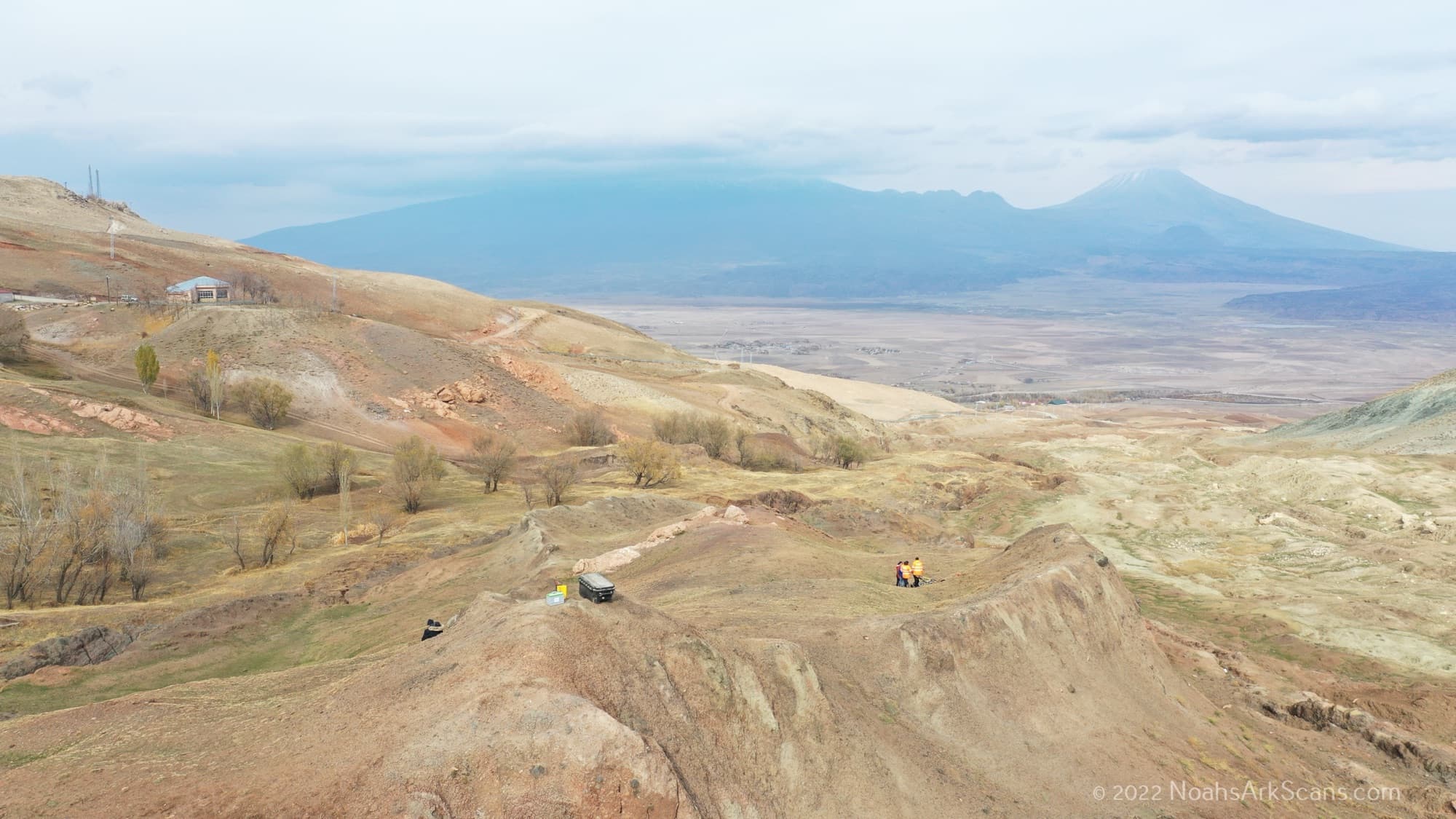
Mount Ararat, known locally as Ağrı Dağı, is the tallest peak in Turkey, rising to 5,137 meters (16,854 feet) above sea level. This massive stratovolcano dominates the landscape of eastern Turkey, standing near the borders of Iran and Armenia in the Ağrı Province. Mt. Ararat is actually composed of two peaks — Greater Ararat and Lesser Ararat — separated by a saddle at roughly 2,700 meters.
The mountain is volcanic in origin, with its last eruption estimated to have occurred around 1840. Permanent glaciers cover the summit above approximately 4,200 meters, and the upper slopes are characterized by steep ice fields, deep crevasses, and unstable moraine. These extreme conditions at the summit have played an important role in the debate over where Noah's Ark may have come to rest in the mountains of Ararat.
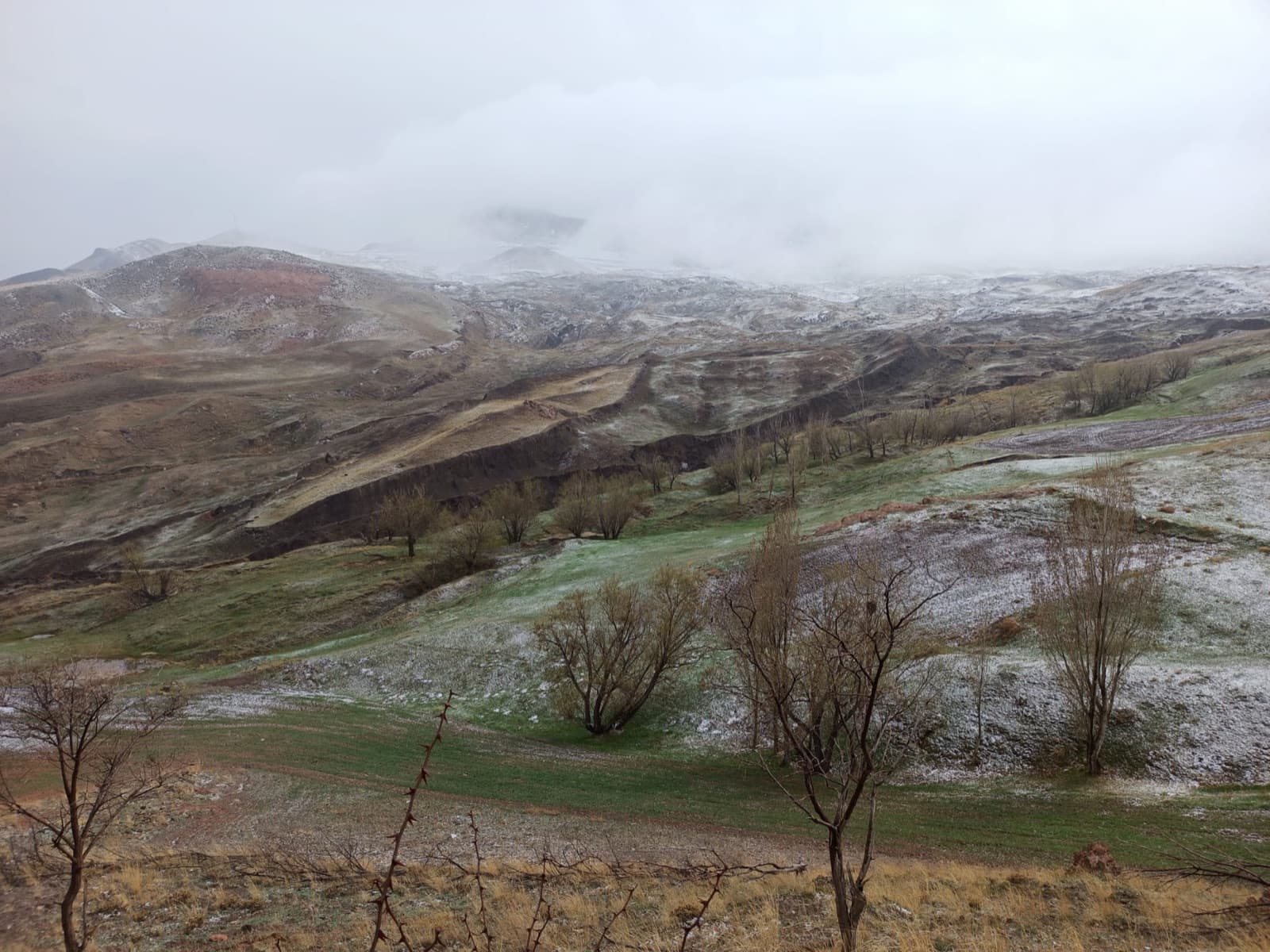
Genesis 8:4 states that the Ark came to rest “on the mountains of Ararat” — a phrase that refers to a region rather than a single peak. The Hebrew word used is plural, pointing to the mountain range and surrounding highlands rather than the specific summit known today as Mount Ararat. In antiquity, this region was the kingdom of Urartu, a powerful civilization that flourished in eastern Anatolia from roughly the 9th to the 6th centuries BC.
The Quran references the landing place as “Al-Judi” (Surah 11:44), a name that has been associated with various peaks in the region. Multiple historical accounts corroborate the tradition of the Ark landing in this area. The first-century historian Josephus wrote that remnants of the vessel were still visible in his time. The Babylonian priest Berossus, writing in the 3rd century BC, recorded that local inhabitants scraped pitch from the Ark for use as charms. Centuries later, Marco Polo described the mountain and its connection to Noah's Ark during his travels through the region.
The Durupinar formation sits approximately 18 miles south of the Ararat summit, in the foothills at an elevation of roughly 6,300 feet (1,920 meters). This location places it within the biblical “mountains of Ararat” while avoiding the extreme glacial conditions of the upper slopes where no organic material — including wood — could survive for extended periods.
The foothills location is significant because wooden remains would not persist at the summit altitude, where temperatures, ice movement, and volcanic activity would destroy any organic structure over millennia. The lower elevation of the Durupinar site, embedded in a mudflow that may have acted as a natural preservative, offers a far more plausible environment for the preservation of a large wooden vessel. Read more about what researchers have uncovered at the site on our Noah's Ark found page.
The town of Doğubayazıt serves as the primary base for visitors to both Mt. Ararat and the Durupinar site. Located at the foot of the mountain, the town offers hotels, restaurants, and guide services for travelers exploring the region. The historic Ishak Pasha Palace, an 18th-century Ottoman-era complex perched on a hillside above the town, is one of the area's most visited landmarks.
Climbing the summit of Ararat mountain requires a permit from the Turkish government, and expeditions typically take three to five days with accredited guides. The best season for summit attempts is July through September, when weather conditions are most favorable. The Durupinar site, by contrast, is accessible by road and can be visited year-round, though the most comfortable months are May through October. Visit our tours page for guided expedition options.
Geological studies of Mount Ararat have mapped its volcanic history in detail, documenting lava flows, pyroclastic deposits, and the lahars that have shaped the surrounding terrain. These geological events are relevant to the Ark question because mudflows from the mountain may have played a role in burying and preserving the formation at the Durupinar site.
The debate between summit and foothills locations continues among researchers. Summit proponents point to satellite imagery anomalies on the upper glaciers, while foothills advocates emphasize the geophysical data from the Durupinar site and the impracticality of wooden preservation at glacial altitudes. The ongoing research program at the Durupinar formation aims to resolve these questions through systematic, data-driven investigation. Explore the full body of scientific evidence gathered to date.
Studies on the Mount Ararat region and the Durupınar formation — symposium proceedings and regional geology, including both pro-Ark and skeptical interpretations.
See the complete archive on the research papers page.
Help fund ongoing geophysical surveys at the Durupinar site.