Coordinates, directions, and how to visit the site in eastern Turkey
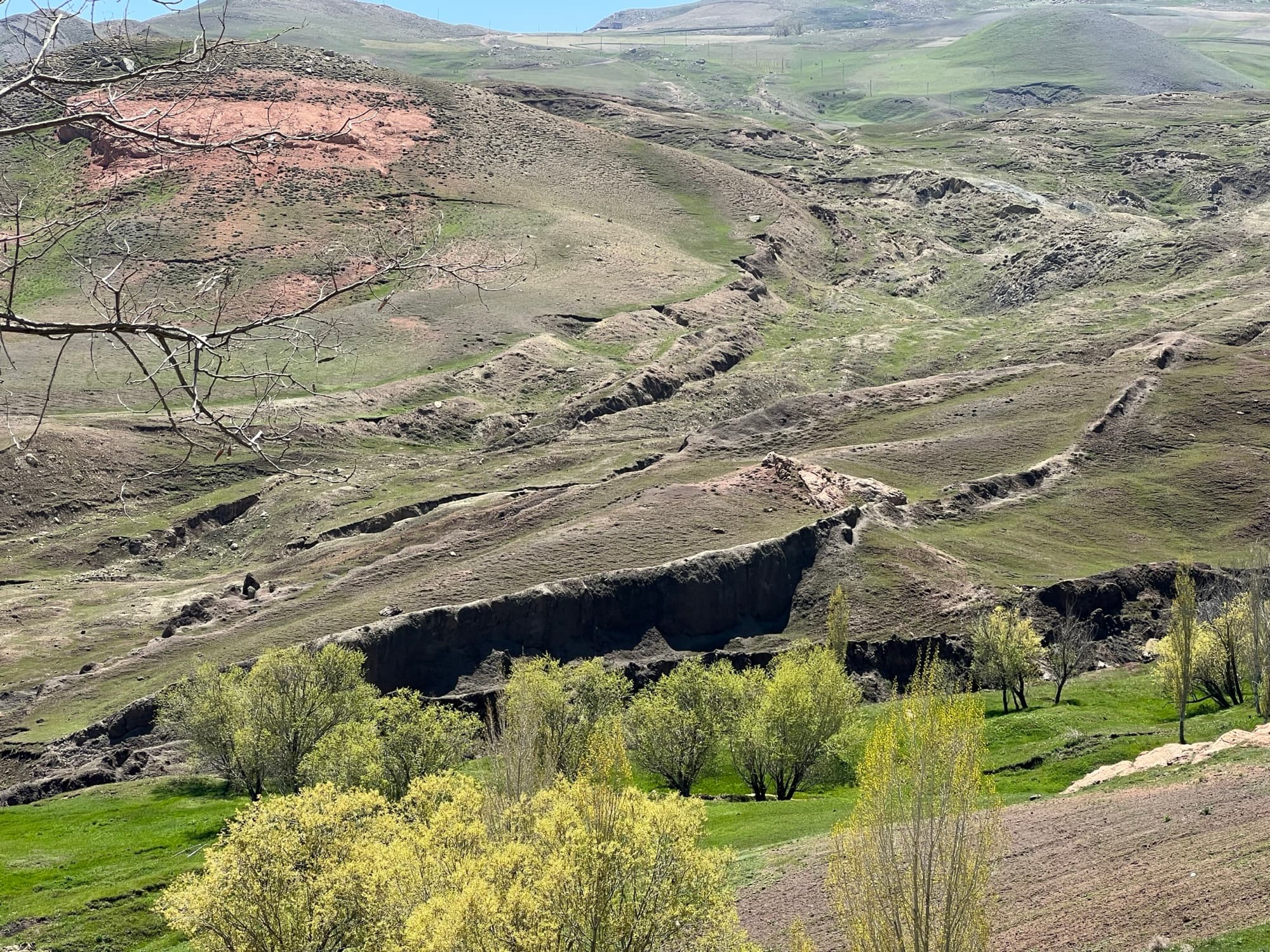
The site most widely identified as the possible resting place of Noah's Ark is located at coordinates 39.4407°N, 44.2340°E in eastern Turkey. Known as the Durupinar formation, it sits in the Ağrı Province near the town of Doğubayazıt, approximately 18 miles (29 kilometers) south of the summit of Mount Ararat. The site rests at an elevation of roughly 6,300 feet (1,920 meters) in the foothills of the Ararat mountain range.
The formation is a symmetrical, boat-shaped outline measuring approximately 157 meters in length, visible from both the ground and aerial photography. It was designated a national park by the Turkish government and includes a visitor center with informational displays about the site and its research history.
According to Genesis 8:4, Noah's Ark came to rest “on the mountains of Ararat.” The Hebrew text uses the plural form, indicating a region — the ancient kingdom of Urartu — rather than a single peak. This distinction is important because it broadens the potential landing zone from the summit of one mountain to an entire highland region in eastern Anatolia.
Multiple ancient sources place the Ark in this area. The Quran refers to the landing site as “Al-Judi,” a name still used locally for the hills near the Durupinar site. The first-century historian Josephus and the 3rd-century BC Babylonian chronicler Berossus both recorded traditions of the Ark's remains being visible in the mountains of the Ararat region. The foothills location of the Durupinar formation, rather than the glaciated summit, is consistent with a scenario in which a large wooden vessel could survive for millennia — protected by the surrounding mudflow material at lower elevations.
The discovery of Noah's Ark location at the Durupinar site unfolded over decades. In 1959, Turkish Army Captain Ilhan Durupinar spotted the boat-shaped formation in aerial reconnaissance photographs and reported it to authorities. The following year, in 1960, a joint American-Turkish expedition traveled to the site to investigate, though the technology available at the time limited what could be determined about the subsurface.
In 1977, researcher Ron Wyatt began systematic field studies at the site, conducting metal detector surveys, surface measurements, and specimen collection over the following two decades. In 1988, a drilling campaign led by geophysicist John Baumgardner and Turkish geologist Salih Bayraktutan extracted core samples from four locations within the formation, providing the first direct subsurface material for analysis.
From 2014 to the present, modern geophysical surveys using Ground Penetrating Radar, Electrical Resistivity Tomography, and LiDAR have produced the most detailed subsurface mapping of the formation to date. These ongoing investigations are documented on our Noah's Ark found page and the project overview.
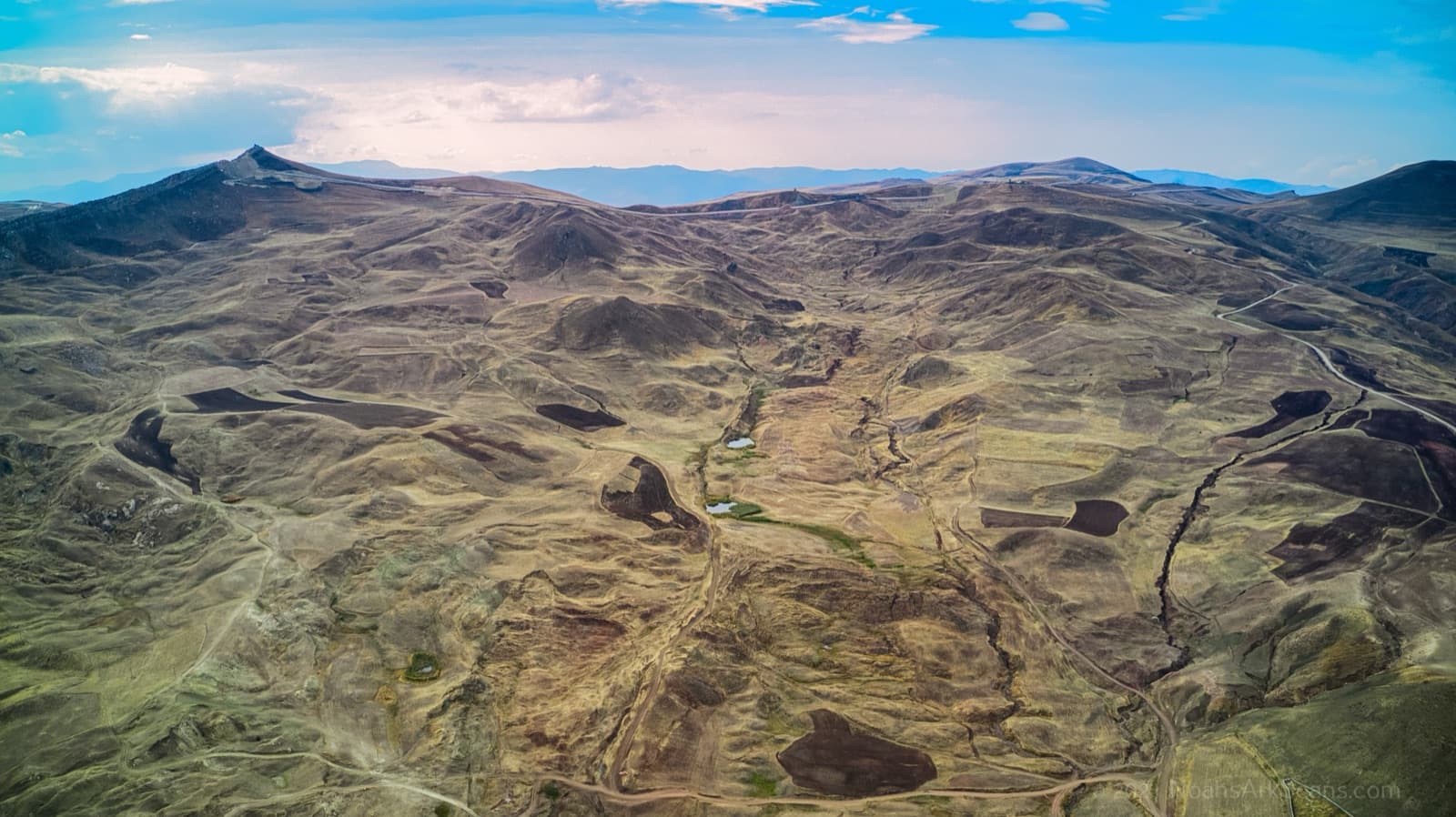
Visitors can reach the Noah's Ark location by flying into Iğdır or Van airport, then driving to Doğubayazıt. From the town center, the Durupinar site is approximately a 15-minute drive south along a paved road. A visitor center at the site provides context about the formation and the history of research conducted there.
The best time to visit is between May and October, when weather conditions in the highlands are mild and roads are reliably clear. Winter visits are possible but snow can make access more challenging. Guided tours of the site are available through our organization, offering expert-led expeditions that include the Durupinar formation, the visitor center, and surrounding points of historical interest including the Ishak Pasha Palace.
The Turkish government has designated the area surrounding the Durupinar formation as a protected national park, recognizing both its archaeological significance and its importance to cultural heritage. The park designation provides legal protection for the site and ensures that future research can be conducted in a controlled scientific environment.
The site has also been the subject of UNESCO consideration for potential World Heritage status. Whether or not formal designation is granted, the protected status ensures that the formation and its surrounding landscape are preserved for ongoing scientific study and public education. Explore the full body of evidence for Noah's Ark or browse the photo gallery from the research site.
Help fund ongoing geophysical surveys at the Durupinar site.